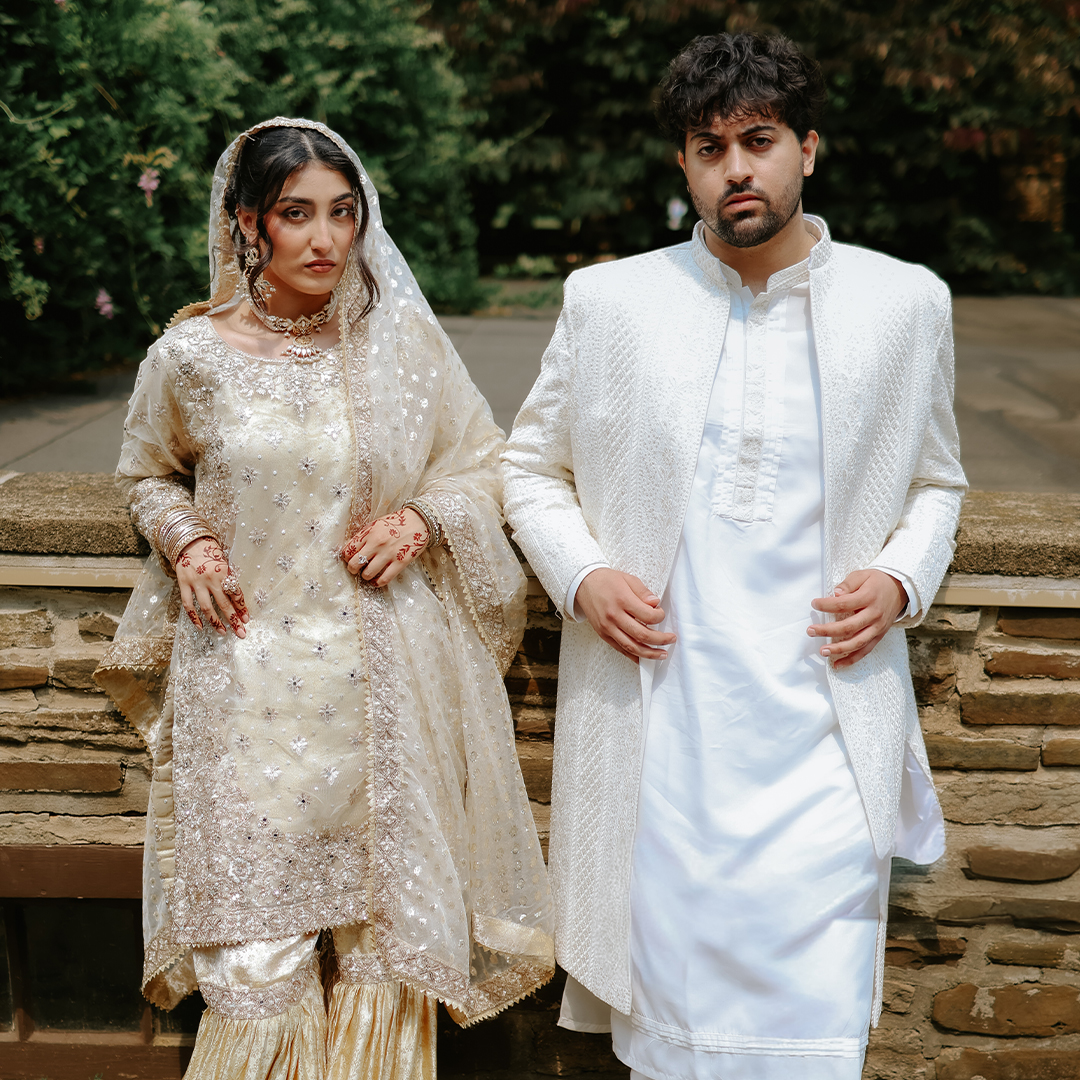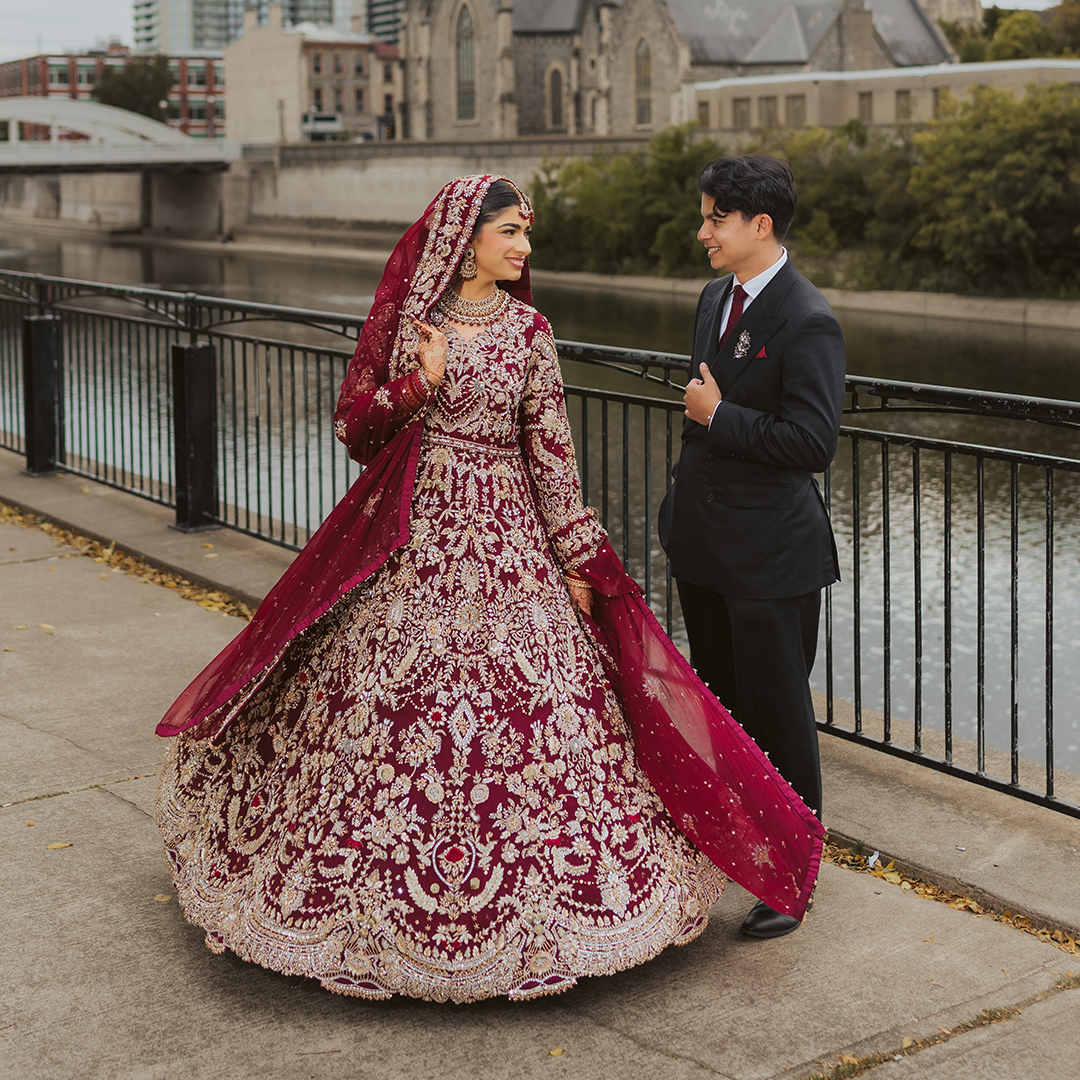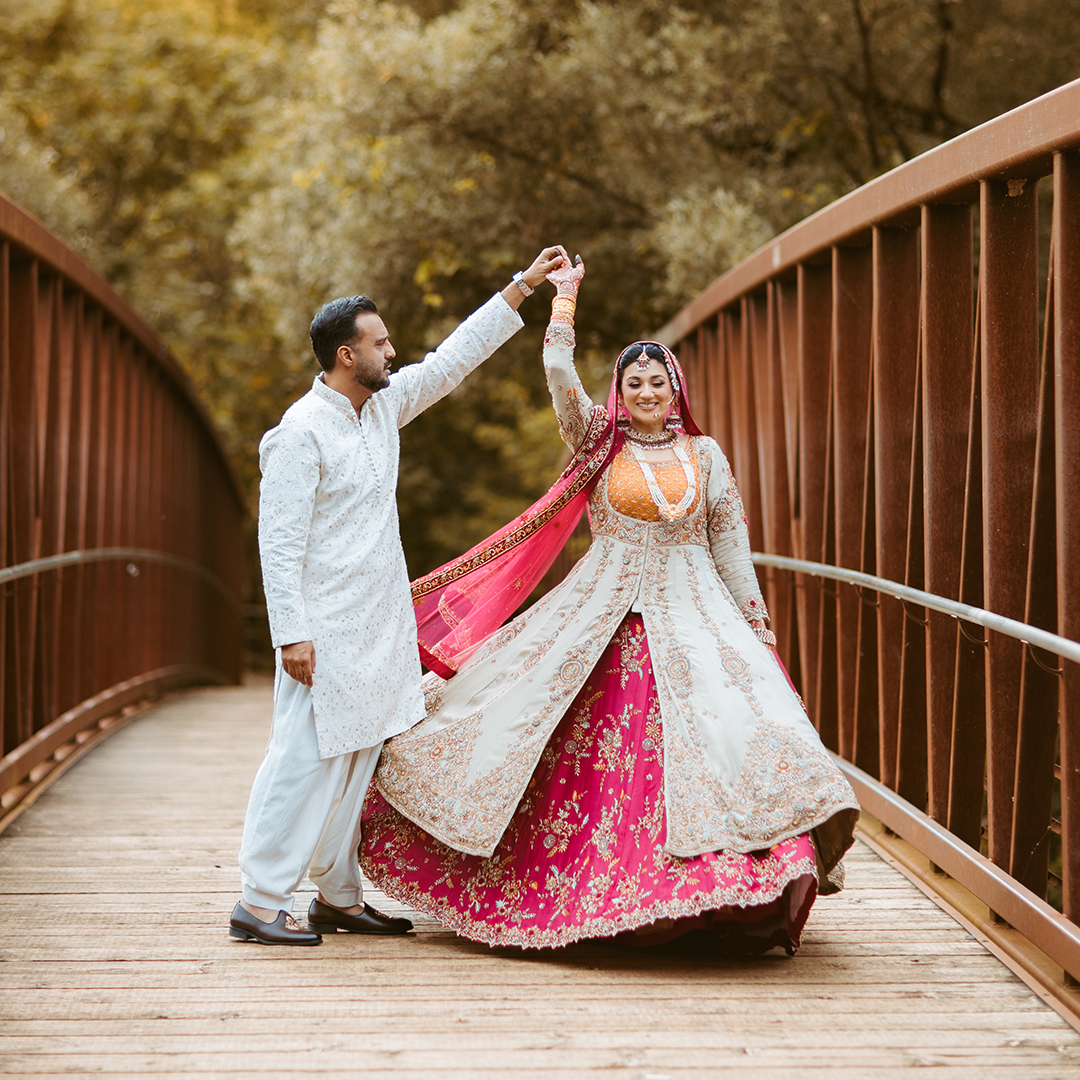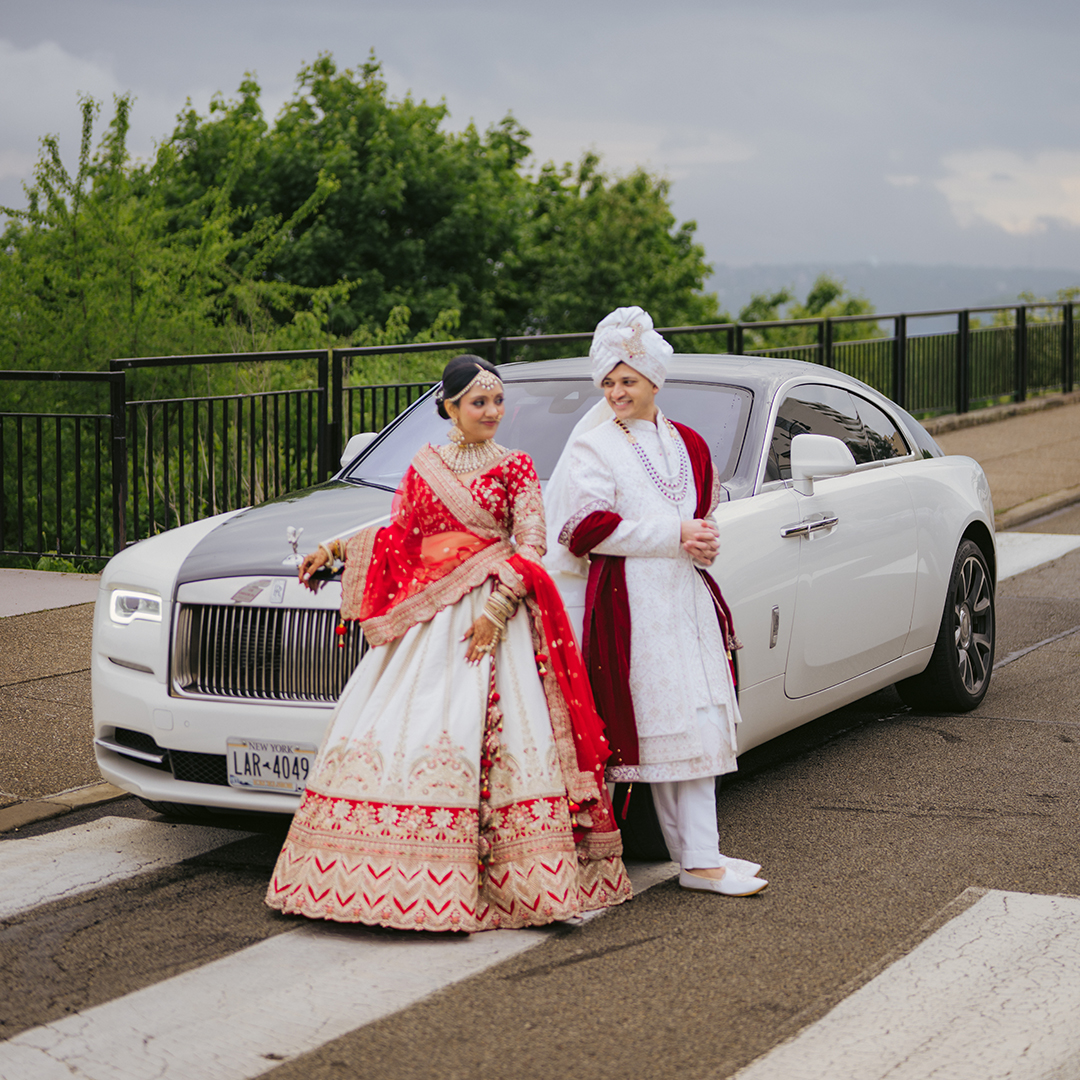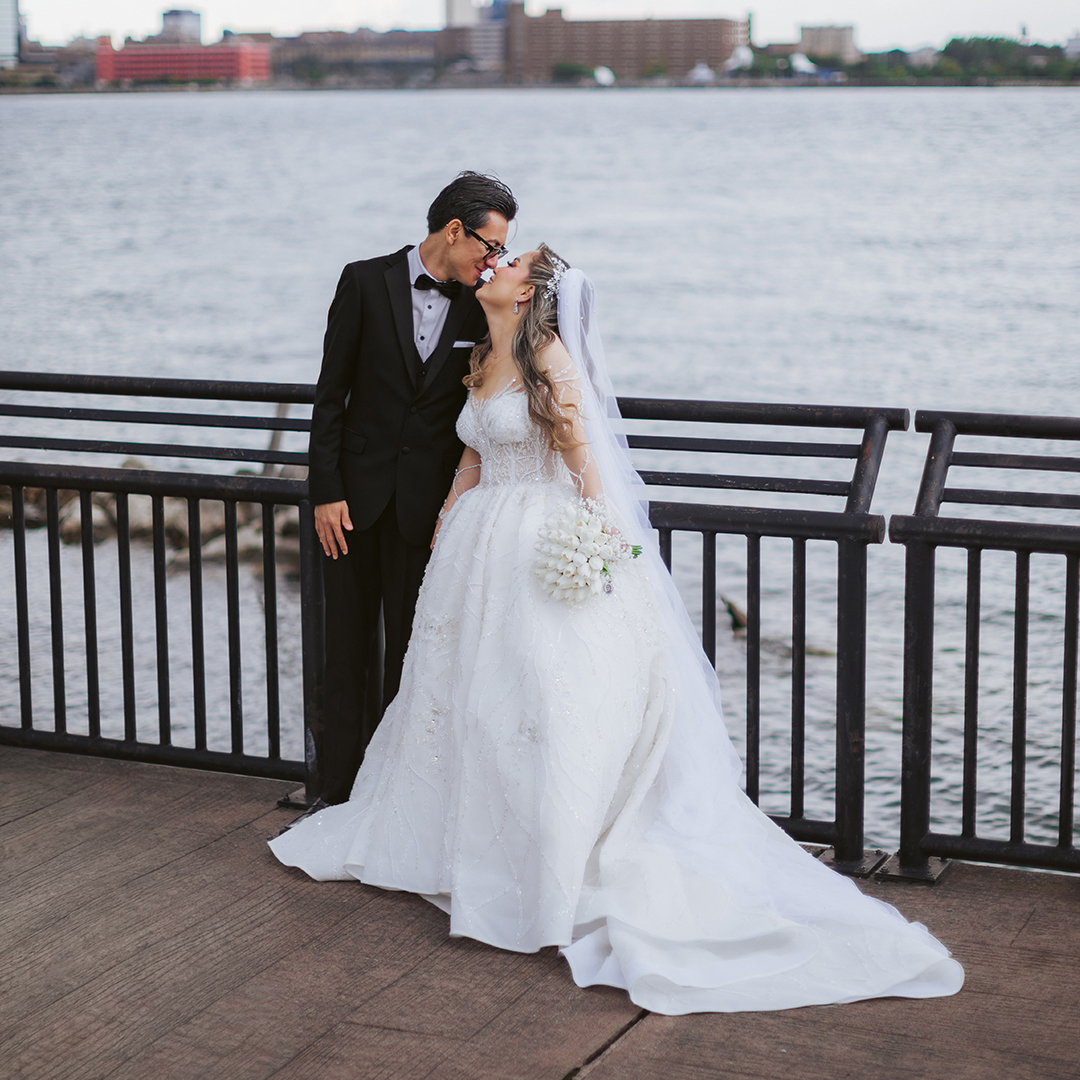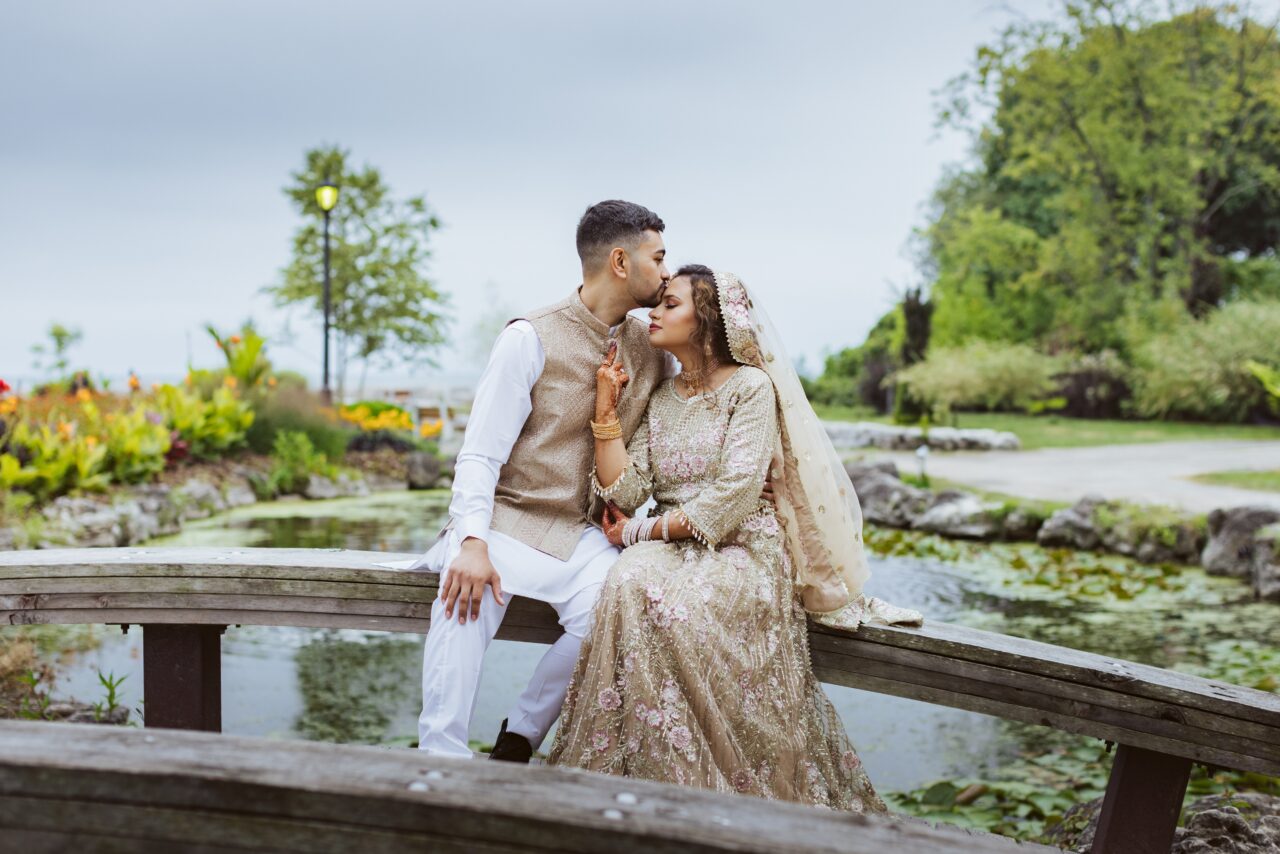
Wedding photography changes slowly, then all at once. Over the past few seasons, couples across Toronto and the GTA have moved away from long lists of posed photographs towards coverage that feels closer to how the day actually was. These are the trends we are seeing in 2026, who each one suits, and what to ask your photographer.
Documentary coverage
The strongest shift is towards natural, unposed photographs. In Zola’s 2026 First Look Report, a US survey of more than 11,500 couples, 67% said they prefer this style, and it matches the direction wedding photography has taken in the GTA.
Documentary coverage means the photographer follows the day instead of directing it: a parent’s face during the ceremony, cousins on the dance floor, the minute after the vows. It does not mean giving up family portraits. The best galleries pair a short, well-organised portrait session with hours of unscripted coverage.
It suits: couples who want to be with their guests, and large family weddings where so much happens at once.
A second photographer and film
More couples are booking a second photographer, particularly for the morning, when two people are getting ready in two places. It also means two angles on the ceremony: one on the person walking in, one on the person waiting.
Film is now a regular part of wedding coverage. A short highlight film is the usual starting point, and many families add a longer edit of the ceremony and speeches, where voices matter as much as pictures.
It suits: multi-day celebrations, large guest lists, and any wedding where the ceremony itself carries deep meaning.
Drone footage
Aerial footage gives a film a sense of place, whether that is a lakeside venue in Caledon, a downtown Toronto rooftop or a country estate north of the city. A few seconds at the opening of a film is usually enough.
In Canada, drones must be flown under Transport Canada rules by a certified pilot, and many venues restrict them. Ask your venue early, and have a plan that does not depend on the weather.
It suits: venues with grounds, water or a skyline.
Direct flash at the reception
Direct flash has returned to receptions. Used on the dance floor, it gives bright, crisp photographs with colour and movement, and a slightly editorial feel. It works best alongside softer coverage of the speeches and first dance, not in place of it.
It suits: lively receptions, and couples who like a fashion-led look.
The film look and printed albums
Some couples ask for film photography, or for digital photographs edited with the softer colour and grain of film. It gives a gallery a timeless quality, as long as skin tones and the colours of your outfits stay true.
Printed albums are valued again too. A gallery on a phone is easy to share; an album is what a family sits down with years later.
It suits: couples who want their photographs to date well.
How to choose what is right for you
- Look at complete wedding galleries, not only highlights, to see how a photographer handles a whole day.
- Show examples of what you like, and say what you like about them.
- Ask how the team handles low light, large family portraits and ceremonies with camera restrictions.
- Book early. Popular dates fill quickly.
Trends are a starting point, not a rulebook. The right approach is the one that fits your families, your venue and the way you want to remember the day. For more help, read our guides to romantic wedding portrait poses, how to look your best in your wedding photos and wedding backdrop ideas that photograph beautifully.
Talk to Naeem Studios Weddings
Naeem Studios Weddings photographs and films weddings across Toronto and the GTA. Explore our wedding photography and wedding videography services, see recent work in our portfolio, or contact us for a consultation. You can also message us on WhatsApp.